What flowers actually mean, minus the Victorian melodrama
Ritu Malhotra·· 8 min read
Flower symbolism is mostly inherited from 19th-century floriography, a coded language invented for people who could not say things out loud. Some of it still lands. Much of it does not.
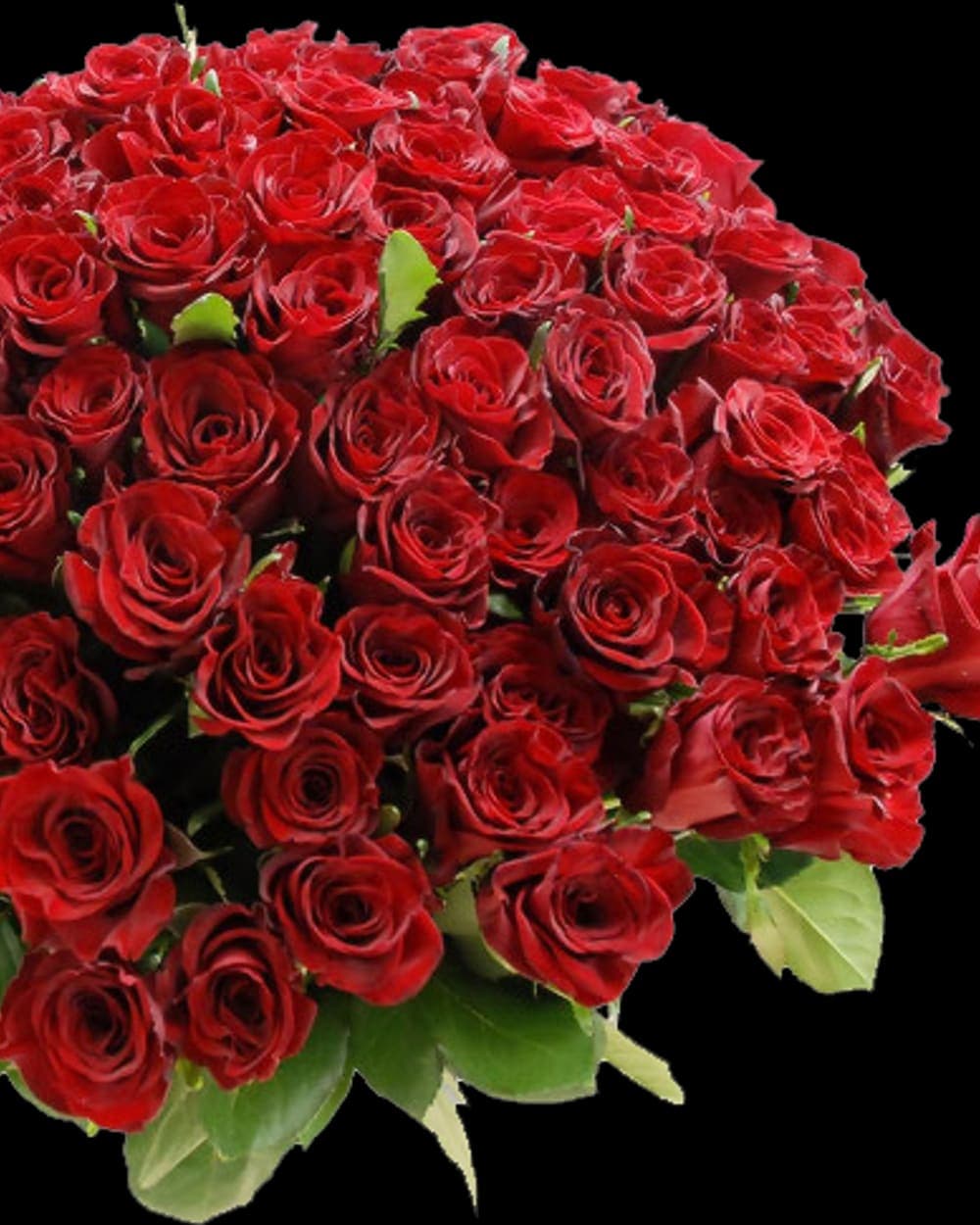
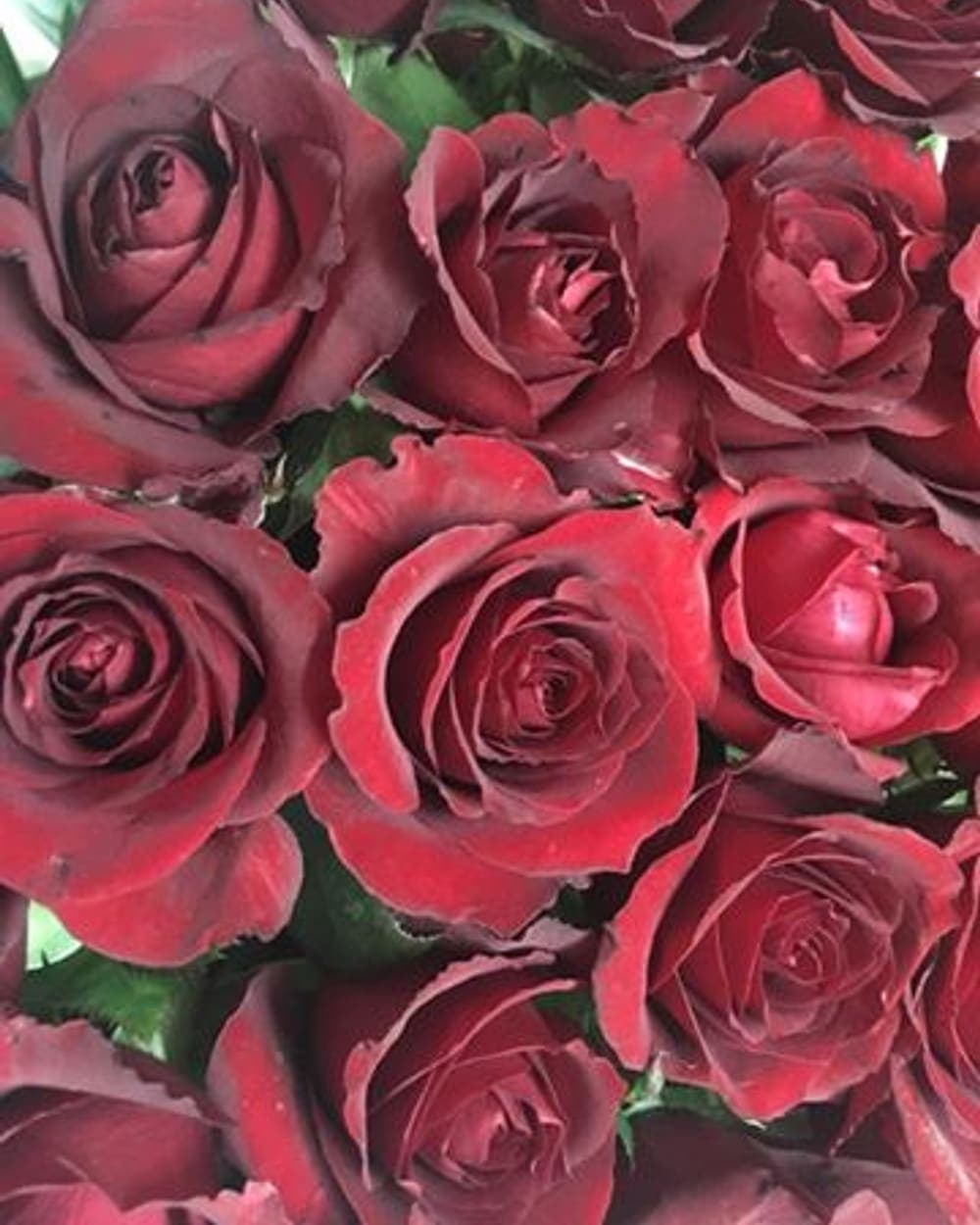
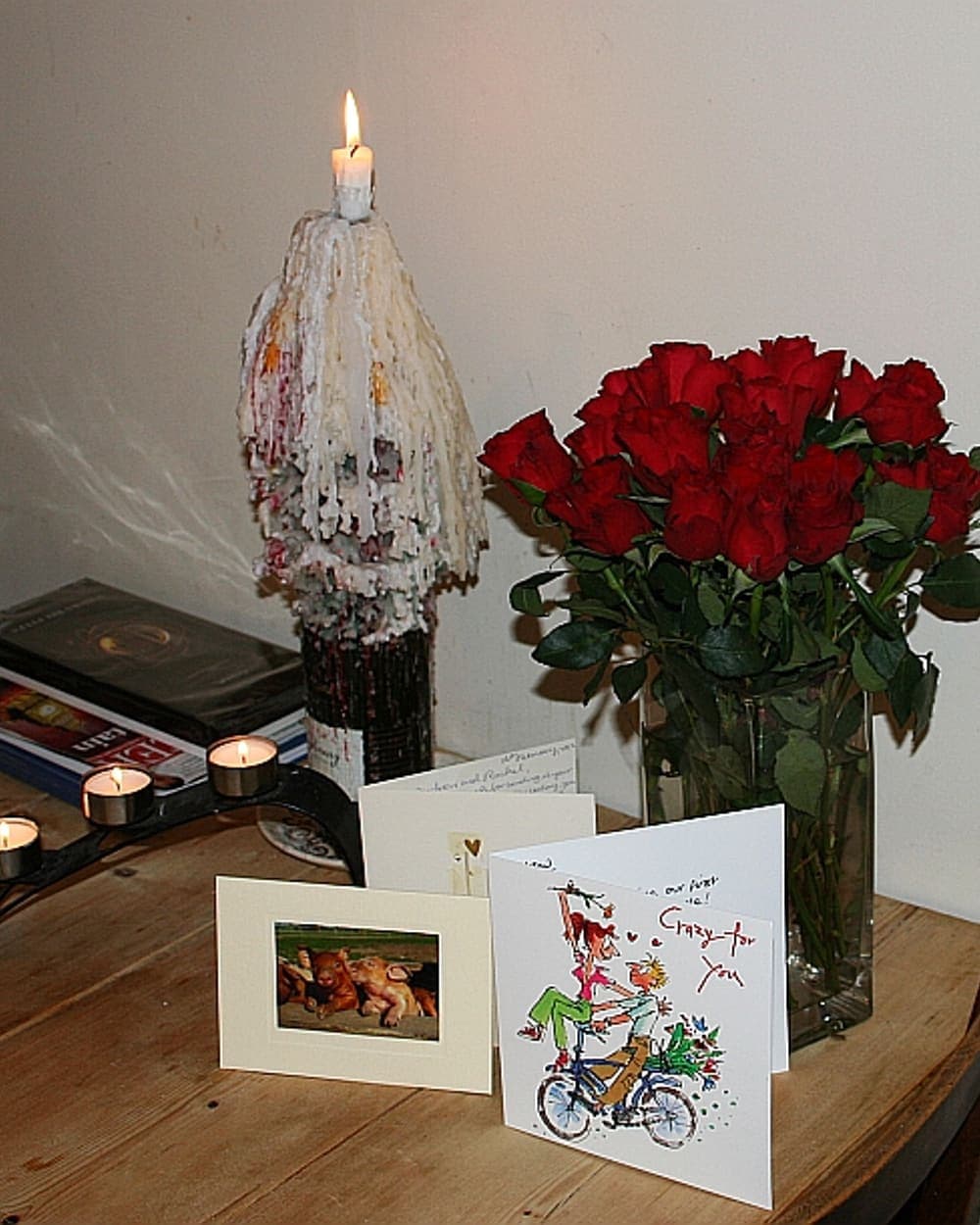
Red roses remain unambiguous and that is precisely their value — nobody has to interpret them. Pink roses read as warmth and admiration rather than declaration, which makes them the safer choice for a new relationship or a colleague.
White lilies are the most misread flower we sell. In much of Europe and India they carry funeral associations; in others they simply mean purity. If you are unsure of the recipient's context, send white roses or hydrangea instead.
Yellow flowers are the opposite problem. In many Western contexts yellow roses mean friendship, but in parts of Latin America and Eastern Europe they signal a break-up. Sunflowers carry none of that baggage and do the same cheerful job.
Our practical rule: if the message needs interpreting, write it on the card instead. Flowers set the tone; the card carries the meaning.
Want the flowers, not the homework?
Every bouquet ships with a care card written for those specific stems — and a seven-day freshness guarantee behind it.
Shop the collection